Opening Scene
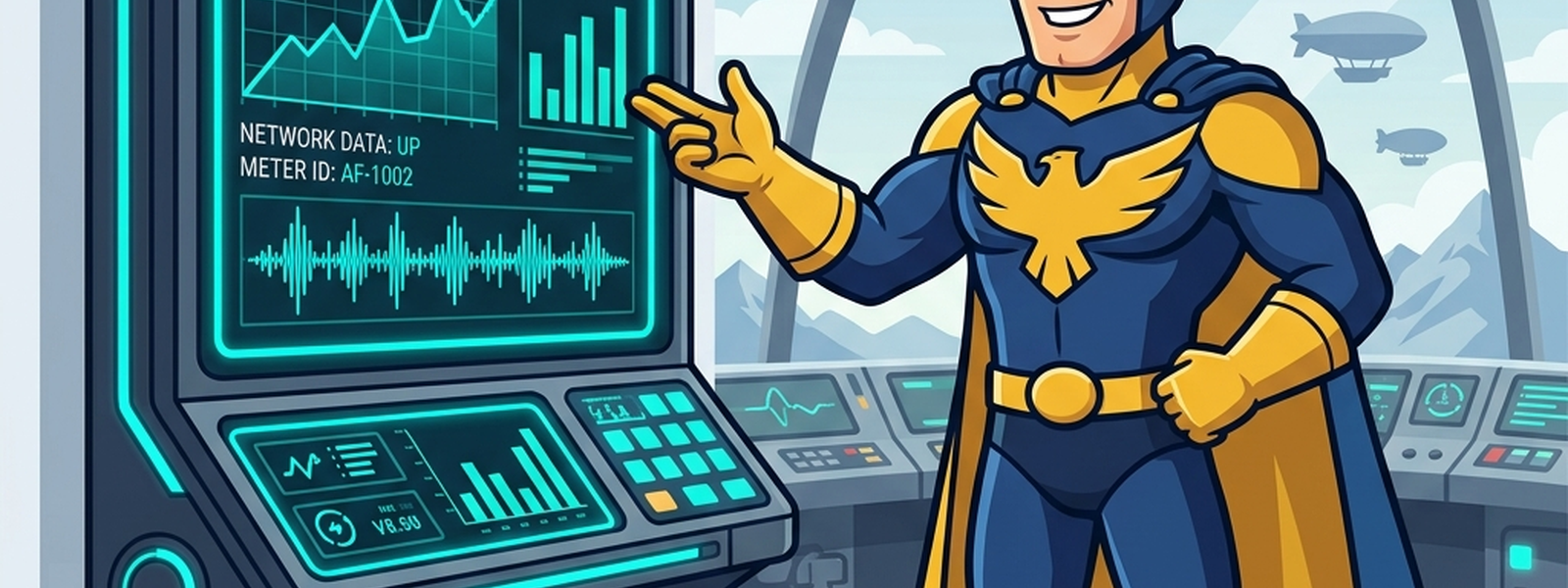
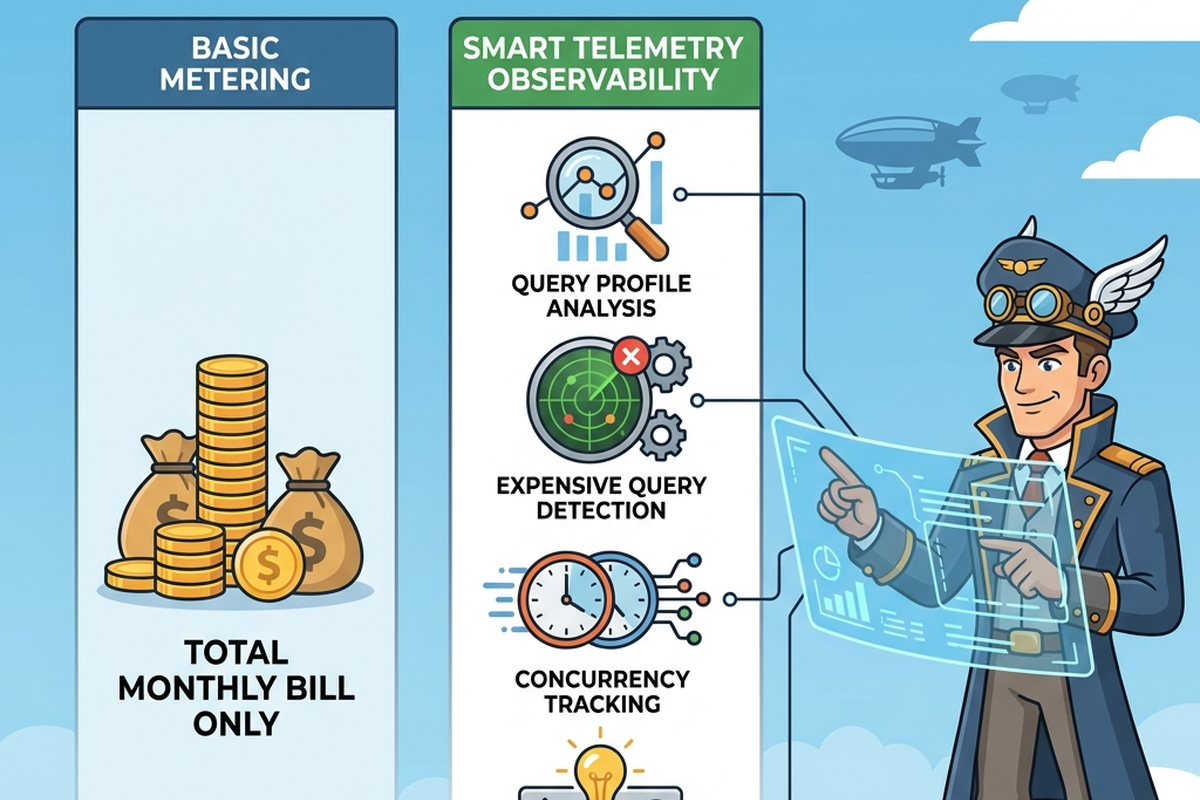
A basic meter tells you only your total consumption. A genuinely smart meter tells you which specific appliances are drawing power, when, and how much, giving you real, actionable visibility into your actual usage pattern. A cloud data warehouse needs this same smart, granular observability: not just a total cost or runtime number, but genuine visibility into which specific queries and workloads are actually driving that usage.
In Plain English
Observability for a cloud data warehouse means tracking individual query performance, resource consumption, and execution patterns, connecting directly to the cost attribution covered in Article 13, so an organization can genuinely identify slow or expensive queries, spot optimization opportunities, and understand exactly how its actual usage evolves over time, rather than working from opaque, aggregate numbers alone.
The Old Way
Before granular query-level observability was standard practice, organizations often worked from limited, high-level visibility alone:
- Organizations sometimes had visibility only into aggregate cost and performance numbers, without granular insight into individual query behavior.
- There wasn’t yet a well-established practice of proactively identifying slow or expensive queries before they accumulated into a genuinely significant cost or performance problem.
- Optimization efforts sometimes relied on informal, anecdotal knowledge of “which queries are slow,” rather than systematic, data-driven observability.
Granular, query-level observability, providing genuine, data-driven visibility, reflects the monitoring discipline covered throughout this content library’s LLMOps and data quality and observability series, applied here specifically to warehouse query performance.
What’s Changing (and Why AI Is the Reason)
- Cloud data warehouse platforms increasingly provide granular, query-level observability natively, connecting directly to the cost attribution practices covered in Article 13.
- This connects directly to the resource governance covered in Article 12, since observability is what identifies exactly which queries or patterns genuinely need governance limits.
- As AI-driven query patterns have grown more complex and less predictable, granular observability has become increasingly essential for maintaining both performance and cost control.
The Metaphor, Fully Extended
| The Utility Grid | Query Observability Concept |
|---|---|
| A basic meter showing only total consumption | Aggregate metrics showing only total cost and runtime |
| A smart meter revealing which specific appliances draw power | Query-level observability revealing which specific queries drive usage |
| Real, actionable visibility into actual usage patterns | Real, actionable visibility into actual query performance patterns |
| Identifying exactly where genuine optimization opportunities exist | Identifying exactly which queries genuinely need optimization |
For Beginners: What to Actually Do
- Practice exploring your cloud data warehouse platform’s query-level performance and cost observability tools.
- Learn to identify a slow or expensive query using granular observability data, rather than relying on anecdotal reports.
- Get comfortable connecting query observability directly to the cost attribution practices covered in Article 13.
For Practitioners and Leaders: The Deeper Layer
- Require granular, query-level observability as a standard operational practice, connecting directly to the monitoring discipline covered elsewhere across this content library.
- Use observability data to inform resource governance limits, connecting directly to Article 12.
- Build systematic, data-driven query optimization review as standard practice, replacing informal, anecdotal approaches.
Quick Recap
- Observability for a cloud data warehouse tracks individual query performance and resource consumption, not just aggregate numbers.
- This connects directly to the cost attribution practices covered in Article 13.
- Granular visibility helps identify slow or expensive queries and genuine optimization opportunities.
- This has become increasingly essential as AI-driven query patterns grow more complex and unpredictable.
Where This Fits in the Series
Article 18 covered granular query observability. Article 19 turns to retiring the old power plant for good: completing a migration and decommissioning legacy infrastructure.
Key References
- Snowflake Documentation — Comprehensive technical documentation for cloud-native data warehousing.
- Google Cloud BigQuery Architecture Overview — Scalable serverless cloud database specifications.
- AWS Redshift Database Developer Guide — Amazon Web Services cloud data warehouse documentation.
Subscribe to the Newsletter
Get the latest DataParables articles delivered straight to your inbox.