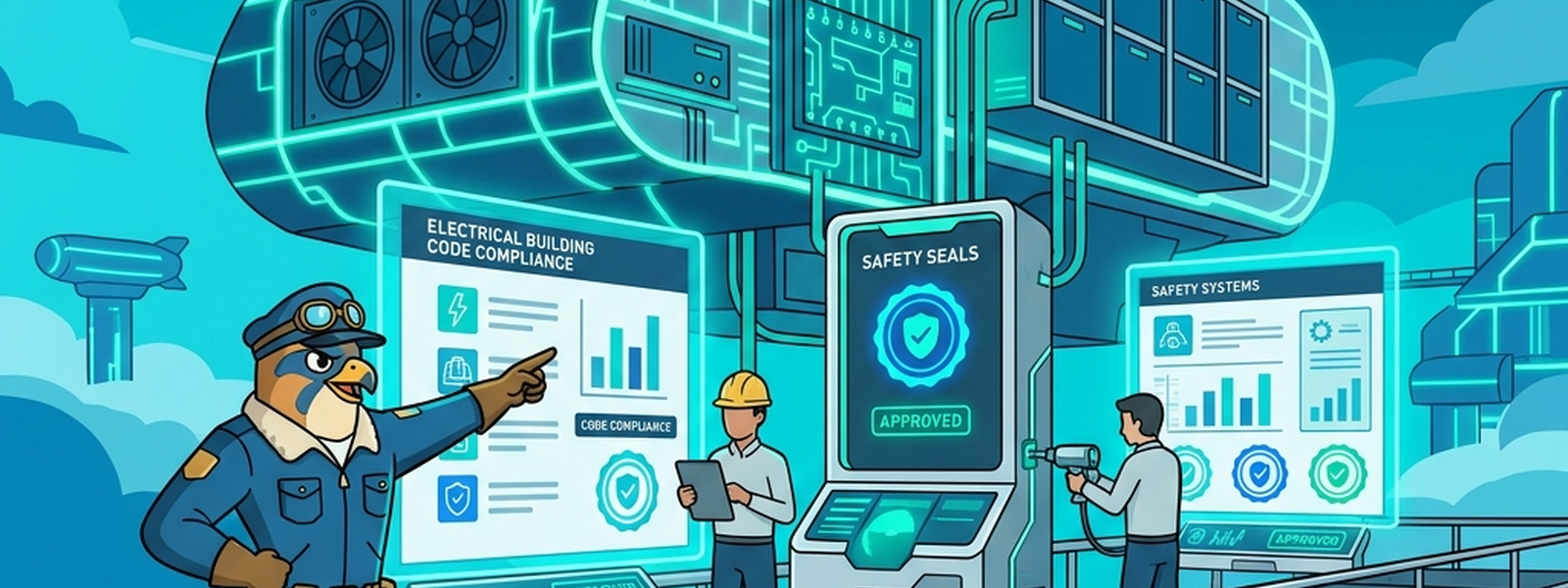
Opening Scene
Connecting to a utility grid doesn’t exempt a building from its own internal electrical building codes — proper wiring standards, safety inspections, and genuine accountability for how that power actually gets used within the building still apply, regardless of who generates the power. A cloud data warehouse’s fully managed infrastructure doesn’t exempt an organization from its own governance and compliance responsibilities either.
In Plain English
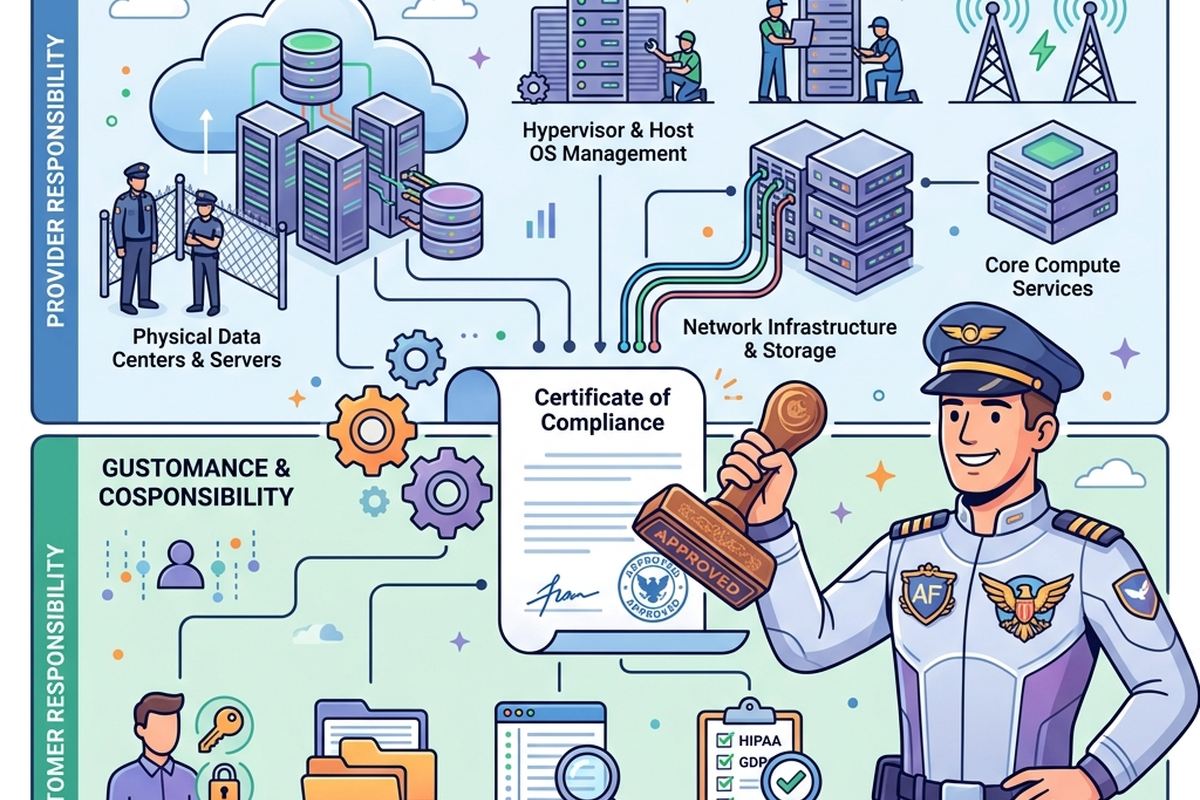
Governance for a cloud data warehouse means applying the access control, data cataloging, and compliance practices covered throughout this content library’s dedicated data governance series to the specific context of a cloud-hosted warehouse, connecting directly to the managed-service boundaries covered in Article 6. The provider manages the underlying infrastructure, but who can access what data, how it’s classified, and whether its use meets regulatory requirements remains the organization’s own responsibility.
The Old Way
Before this clear boundary was widely understood specifically for cloud data warehouses, governance responsibility was sometimes assumed to shift more than it genuinely does:
- Some organizations assumed a fully managed cloud service automatically handled data governance and compliance, conflating infrastructure management with data governance.
- There wasn’t yet a well-established practice of clearly distinguishing infrastructure-level managed responsibilities from data-level governance responsibilities that remain the organization’s own.
- Compliance gaps were sometimes discovered only during an audit, rather than proactively addressed as part of standard cloud data warehouse operation.
Clearly distinguishing infrastructure management from data governance, both remaining genuinely necessary but distinct responsibilities, reflects the managed-service boundary awareness covered in Article 6, applied here to governance specifically.
What’s Changing (and Why AI Is the Reason)
- Organizations increasingly apply the full governance discipline covered throughout this content library’s dedicated data governance series to their cloud data warehouse specifically, not assuming it’s automatically covered.
- This connects directly to the access control practices covered in Article 10 and the secure data sharing covered in Article 14, both genuine governance responsibilities within a cloud data warehouse.
- As regulatory scrutiny of AI and data practices has increased, proactive governance has become an increasingly standard expectation, not just an audit-driven afterthought.
The Metaphor, Fully Extended
| The Utility Grid | Cloud Data Warehouse Governance Concept |
|---|---|
| Internal building codes still applying after grid connection | Data governance responsibilities still applying under a managed service |
| Genuine accountability for how power is used within the building | Genuine accountability for how data is accessed and used within the organization |
| Who generates the power not changing internal safety obligations | Who manages the infrastructure not changing internal governance obligations |
| Codes and inspections remaining a genuine, ongoing responsibility | Governance and compliance remaining a genuine, ongoing responsibility |
For Beginners: What to Actually Do
- Practice mapping which governance responsibilities remain your organization’s own under a fully managed cloud data warehouse.
- Learn to apply the data governance practices covered in this content library’s dedicated series specifically to your cloud data warehouse context.
- Get comfortable distinguishing infrastructure management from data governance as genuinely separate responsibilities.
For Practitioners and Leaders: The Deeper Layer
- Apply the full governance discipline covered in this content library’s dedicated data governance series proactively, not assuming a managed service covers it automatically.
- Connect governance practice directly to the access control and secure data sharing practices covered in Articles 10 and 14.
- Build proactive governance review into standard cloud data warehouse operation, ahead of any compliance audit.
Quick Recap
- A fully managed cloud data warehouse’s infrastructure management doesn’t automatically cover data governance and compliance.
- These remain the organization’s own responsibility, connecting directly to this content library’s dedicated data governance series.
- This connects directly to access control and secure data sharing practices covered elsewhere in this series.
- Proactive governance has become an increasingly standard expectation, not just an audit-driven afterthought.
Where This Fits in the Series
Article 17 covered ongoing governance responsibility. Article 18 turns to the smart meter that talks back: observability and query performance monitoring.
Key References
- Snowflake Documentation — Comprehensive technical documentation for cloud-native data warehousing.
- Google Cloud BigQuery Architecture Overview — Scalable serverless cloud database specifications.
- AWS Redshift Database Developer Guide — Amazon Web Services cloud data warehouse documentation.
Subscribe to the Newsletter
Get the latest DataParables articles delivered straight to your inbox.